
Preface
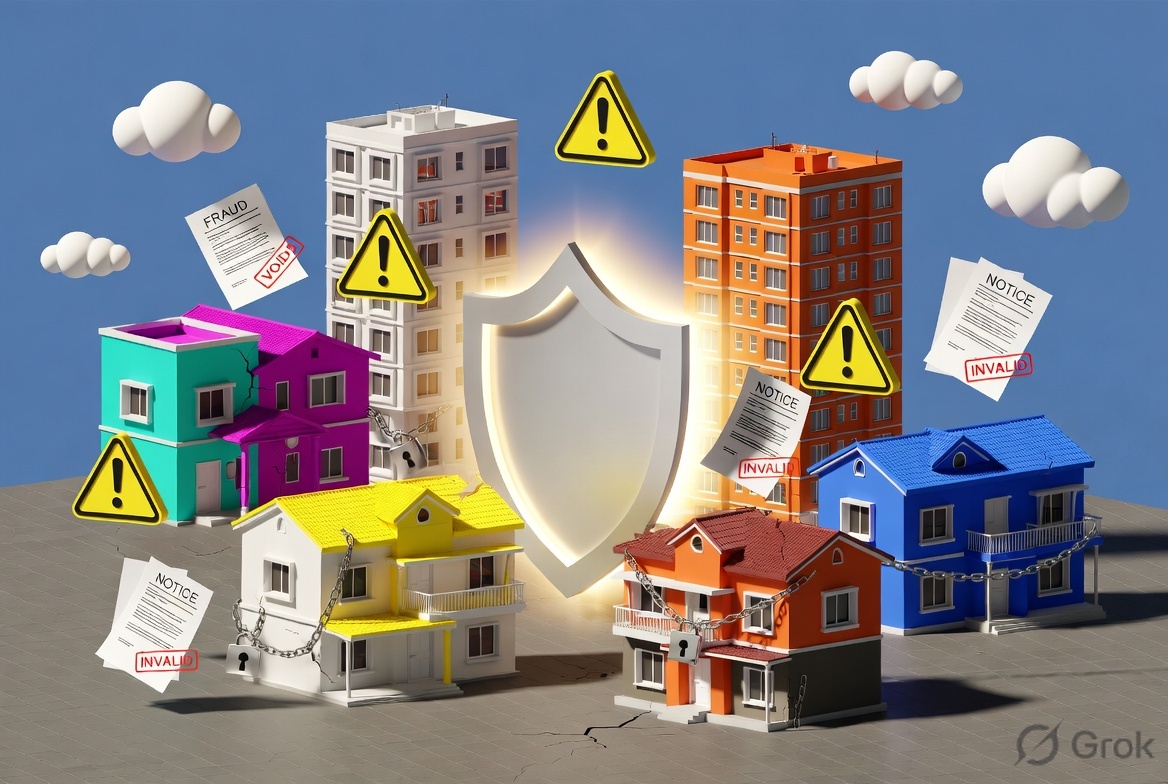
Property frauds Chandigarh, Mohali and Panchkula have become a serious concern for home buyers and investors in the Tri-city region. This article explains common property title fraud, real estate fraud Tri-city, and effective strategies to avoid property scams Punjab Haryana under civil, criminal, and family law.
Table of Contents
- Introduction to Property Frauds in Tri-City Region
- Common Types of Property Frauds
- Legal Framework Governing Property Transactions
- Due Diligence Measures to Avoid Frauds
- Red Flags in Property Deals
- Remedies Available Under Law
- FAQs
- Conclusion
Introduction to Property Frauds in Tri-City Region
Property frauds Chandigarh, Mohali Panchkula and real estate fraud Tri-city have increased significantly with the rapid urban growth in the region. Cases involving forged documents, multiple sales, misuse of GPA, and irregular approvals by GMADA are frequently reported. These property frauds Chandigarh not only cause heavy financial losses but also result in long-drawn litigation before the Punjab and Haryana High Court. Understanding civil, criminal, and family law aspects is essential to protect oneself while dealing in immovable property.
Common Types of Property Frauds
Several modus operandi are prevalent in property frauds Chandigarh, Mohali Panchkula and surrounding areas. Each type is explained below in the context of civil title disputes, criminal offences, and family law overlaps:
1. Title Fraud and Forged Documents In property title fraud, fraudsters create forged sale deeds and mutation records using impersonation. This is very common in NRI-owned properties. Such acts attract liability under Bharatiya Nyaya Sanhita (BNS) and give rise to civil suits for title declaration.
2. Multiple Sale of Same Property The same property is sold to multiple buyers, leading to competing claims. This often intersects with family partition disputes.
3. Misuse of Power of Attorney (GPA) Fraudulently used or revoked GPAs are common tools in real estate fraud Tri-city. The Punjab and Haryana High Court has repeatedly held that GPA cannot substitute a registered sale deed.
4. Undisclosed Encumbrances Properties under mortgage or litigation are sold without disclosure, violating the Transfer of Property Act and involving criminal breach of trust.
5. Irregularities in Approved Layouts and CLU Forged CLU and building approvals by GMADA/GMDA create unauthorized colonies, exposing buyers to demolition risks.
6. Benami Transactions and Cash Components These transactions often hide fraudulent intent and may involve family property complications under the Benami Act.
Legal Framework Governing Property Transactions
Property frauds Chandigarh and avoid property scams Punjab Haryana are governed by several laws. The Transfer of Property Act, 1882 and Registration Act, 1908 form the core of civil transactions. Revenue records are maintained under the Punjab Land Revenue Act. RERA protects buyers in promoter projects.
Criminal offences are covered under Bharatiya Nyaya Sanhita: BNS Section 318 (cheating — punishment up to 7 years), BNS Section 316 (criminal breach of trust), and BNS Sections 335 to 340 (forgery). Family law intersections arise under the Hindu Succession Act, 1956 in ancestral or matrimonial property disputes.
Due Diligence Measures to Avoid Frauds
To avoid property scams Punjab Haryana and property title fraud, the following detailed steps are essential:
- Verify Title through Official Records Check latest Jamabandi, Fard, and Mutation on PLRS/Haryana portals with a 30-year title search.
- Encumbrance Certificate (EC) Obtain EC for 15-30 years from the Sub-Registrar office.
- Physical Site Inspection Verify boundaries with a licensed surveyor on site.
- Seller’s Identity Verification Check Aadhaar, PAN, and original documents, especially in family properties.
- Scrutiny of Approvals Verify CLU, building plans, and occupancy certificates from GMADA or competent authorities.
- Banking Transactions Only Avoid cash deals to maintain transparency.
- Professional Legal Opinion Get a title opinion from a High Court practising advocate covering civil, criminal, and family law risks.
Red Flags in Property Deals
- Price much below circle rate
- Rush to close the deal
- Reluctance to show original documents
- Too many intermediaries
- Properties in unauthorized colonies or family dispute areas
Remedies Available Under Law
Victims of property frauds Chandigarh can file civil suits for title declaration and cancellation under the Specific Relief Act. Criminal complaints under BNS Section 318, BNS Section 316, and BNS Sections 335-340 can be lodged. Family law remedies under Hindu Succession Act may apply in partition cases. RERA provides relief in registered projects.
FAQs
Q1. What is the most common property fraud in Chandigarh, Mohali & Panchkula? A: Title fraud and multiple sales are the most common property frauds Chandigarh and Mohali Panchkula.
Q2. Is Power of Attorney sufficient for property sale? A: No. Punjab and Haryana High Court judgments clarify that GPA cannot replace a registered sale deed.
Q3. How to check if property is free from encumbrance? A: Obtain Encumbrance Certificate and cross-verify with revenue records and court lists.
Q4. What to do if I suspect property fraud? A: File FIR under BNS Section 318 and 316 and approach civil court for injunction.
Q5. Does RERA cover all real estate fraud? A: RERA mainly covers registered projects. General civil and criminal laws apply to other cases.
Conclusion
Property frauds Chandigarh, Mohali Panchkula and real estate fraud Tri-city can be prevented through careful due diligence and legal awareness. While remedies exist under civil, criminal (BNS Section 318, 316, 335-340), and family law, prevention is always better than litigation. Stay vigilant and consult qualified advocates before every property transaction.
Disclaimer:
This article is published solely for general public awareness and educational purposes regarding property frauds Chandigarh, Mohali Panchkula and related legal concepts in civil, criminal, and family law. It does not constitute legal advice, opinion, or solicitation of any kind. The information provided is general in nature and may not apply to specific facts or circumstances. Readers must not rely upon this article as a substitute for obtaining independent legal advice from a qualified advocate. The author, publisher, and website expressly disclaim any and all liability for any loss, damage, or inconvenience arising directly or indirectly from any reliance placed upon the contents of this article, including but not limited to any civil, criminal, or family law proceedings. Laws and procedures are subject to amendments and judicial interpretations; verification from competent authorities and professional legal consultation is mandatory in every individual case. No legal relationship or liability of any nature whatsoever is created by reading or sharing this article